
I find this time every year that any beekeeper who has issues with their hives whether it be mites, queen issues, etc is starting to see that rear its ugly head right about now. I would say most hives here in the PNW that went untreated for mites or did not treat at all are crashing or are already done. (With the exception of mite resistant bees of course, if you don’t have hygienic stock then you need to treat).
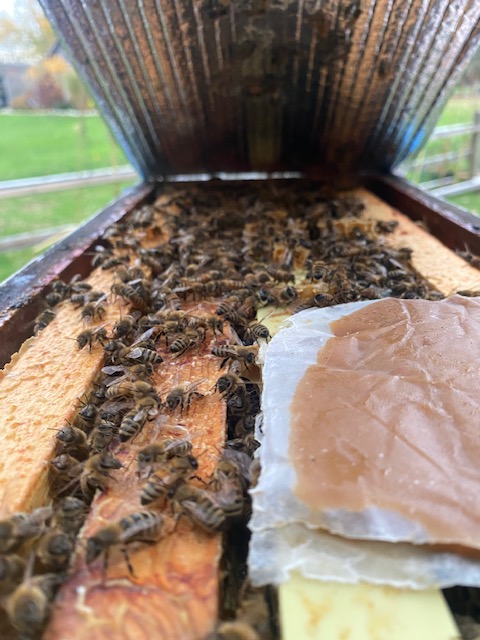
This does come a little too late, but what I had been doing since about mid-September was treating consistently with oxalic acid vapor, which is a method I believe strongly in for maintaining healthy hives. I use 4 g per brood chamber (double deep 8 total grams, singles 4 grams, 5 frame nucs 2 grams) and did so about 1x per week, ensuring that I am diligent in monitoring the health of my colonies. Some hives received more treatments if they were showing high drops, which is a sign that mite populations were escalating and required immediate attention. Treating with OAV in the fall allows you to clean up any mites while more winter bees are being produced; these newly formed bees are crucial to your over-wintering ability and can significantly impact colony survival rates. However, fall-time OAV treatments are not the only time I focus on managing mites. I try my best to make sure all hives receive oxalic acid glycerin sponges in May, as this provides an early intervention strategy. I follow up with Formic Pro in mid-June, which is another effective miticide, and then approach the mites again after the blackberry flow, a time when bees are most active. This may seem excessive to some, but given the reality of hives located in high-pressure varroa mite areas, I have found that being consistent with treatments is essential; otherwise, I risk losing colonies, which I have worked hard to establish and nurture. Balancing these treatments while promoting bee health is a challenge, but the effort is necessary to ensure robust and thriving hives throughout the seasons.
There are many other events that can kill colonies throughout the year, including sudden temperature fluctuations, diseases, and pests; but if you take care of your mites consistently, then generally the bees can do the rest with their natural resilience. During the fall and winter seasons, I dedicate my time to gently tipping colonies to ensure they have enough food stored for the colder months ahead, while also keenly observing the entrances to monitor the situation closely and make sure the dead bees aren’t piling up too much. If you happen to observe dead bees clogging the entrance and not being maintained by the living bees, then you may have another issue at play, which could indicate a larger problem such as stress or disease within the colony. That can certainly be discussed at another time as it’s a nuanced topic requiring more in-depth analysis. If you want to know more about OAV treatments and the specific tool I use to treat your colonies effectively, then please feel free to reach out, and I would be more than happy to set you up with all the information and support you need to ensure the health and vitality of your bees.
 Sweet T's Bees
Leave a comment